qathet Regional District board will consider making no changes to policy to incorporate environmental, social and governance objectives
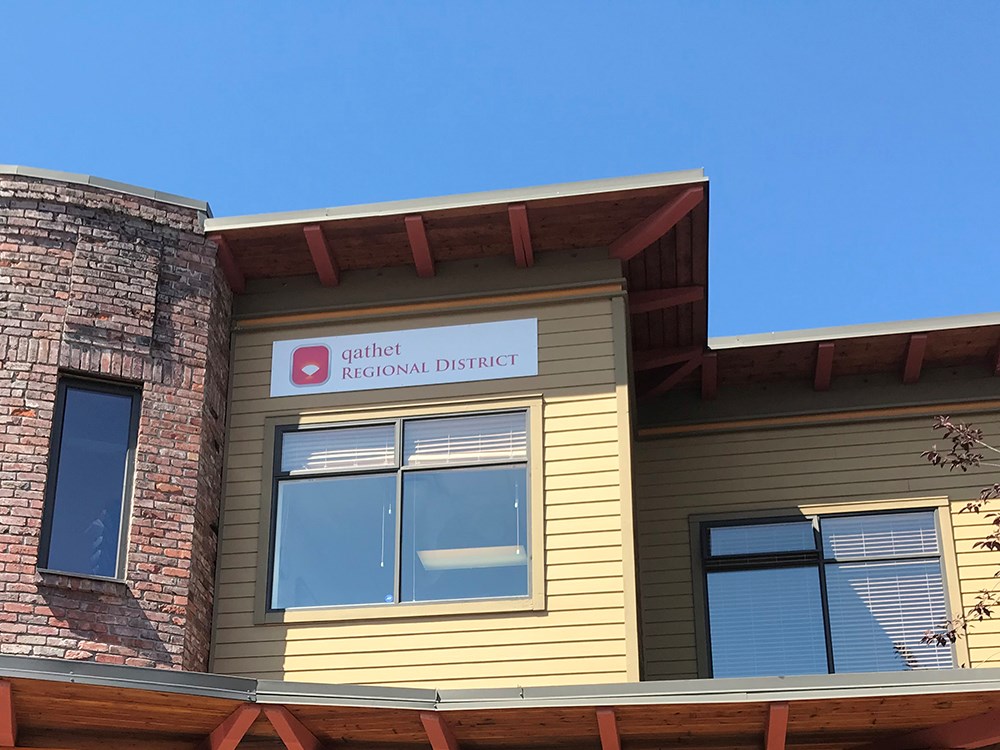
qathet Regional District’s (qRD) finance committee is recommending not making changes to its investment policy to incorporate environmental, social and governance (ESG) investment objectives.
At the September 9 finance committee meeting, directors considered a staff recommendation to not make ESG investments because there is potential risk to principal investments, and a minimum investment time that would impact qRD’s liquidity.
General manager of financial administration Linda Greenan said the regional district does not have long-term financial plans where it can decide where it can earmark funds that can be invested in the long term.
“That’s my concern with incorporating ESG investments,” said Greenan. “They do carry risk, especially if we are going to do them for a short term. You can balance out the risk if you can leave them in longer. We don’t have definite plans of when we will use the reserve funds. That is why I am recommending against incorporating ESG investments into our investment policy.”
Electoral Area A director Jason Lennox said he understood Greenan’s recommendation, and asked what other regional districts do to tackle their investments?
“Is there guidance from the investment community?” asked Lennox.
Greenan said when she wrote her report to the finance committee, she researched what other communities are doing, and none of them had incorporated ESG investments, because they carry a risk.
City of Powell River director Rob Southcott said in reading Greenan’s report, he recalled that sometime in the past few years, he attended a Union of British Columbia Municipalities session that dealt with the ESG question.
“The conclusion, as I remember, was that the only municipalities that have the ability to do that are ones with really big bank accounts,” said Southcott. “Local governments, generally speaking, have found other ways to address those objectives. I am confident that with reference to considerations for procurement, and our connection to social procurement for many years, that the ESG considerations are actually addressed through our staff practices.”
City director Cindy Elliott said there are financial investment places that offer mutual funds in ESG, and there is risk affiliated, but the risk is not the same as high-risk portfolio risk.
“The benefits of investing in ESG is to pool financial investments to things where it is value-added for your local economies, and for things that matter where we are trying to make a difference on a government front,” said Elliott. “If we are collectively pooling our investments toward things that are making a difference, we are then having outcomes that we don’t have to pay directly for.
“I don’t know how you balance that slight increase in risk with the overall approach of meeting better social goals, because all those social things are costing all governments money. We may see an upside from that investment portfolio that can help us achieve goals that we don’t directly have a program for.”
Greenan said the risk with the ESG investments is that they are not like GICs or term deposits where the principal is protected.
“What we would need to do is change our policy away from principal protection to having our focus be on ESG,” said Greenan. “It would be a shift in how we want our priorities. There might be a risk to the principal.”
Lennox said qRD has had solid financial management and he wants to protect the principal.
“If you pay attention, that (ESG) market is not completely solid and it is volatile,” said Lennox. “There are a lot of influences in it.”
Greenan said qRD tries to incorporate community benefits when it issues tenders and requests for proposals.
“We do try to address social governance, especially through our procurement,” said Greenan. “We just don’t do it through our investments because we don’t have a large investment portfolio. In our strategic plan, we have social and environmental governance goals in our strategic plan, so there are lots of ways we are addressing it.”
Currently, the regional district has $26 million in reserves. Electoral Area E director and finance committee chair Andrew Fall said it sounds like a lot of money, but it’s not.
Electoral Area C director and board chair Clay Brander said the money in question is the public’s and the regional district has to be careful with it.
The committee unanimously voted to recommend to the regional board to make no changes to the investment policy regarding the incorporation of ESG investment objectives.
Join the Peak’s email list for the top headlines right in your inbox Monday to Friday.
link